Prompt guide
Complete guide for Pet Animal Hybrid
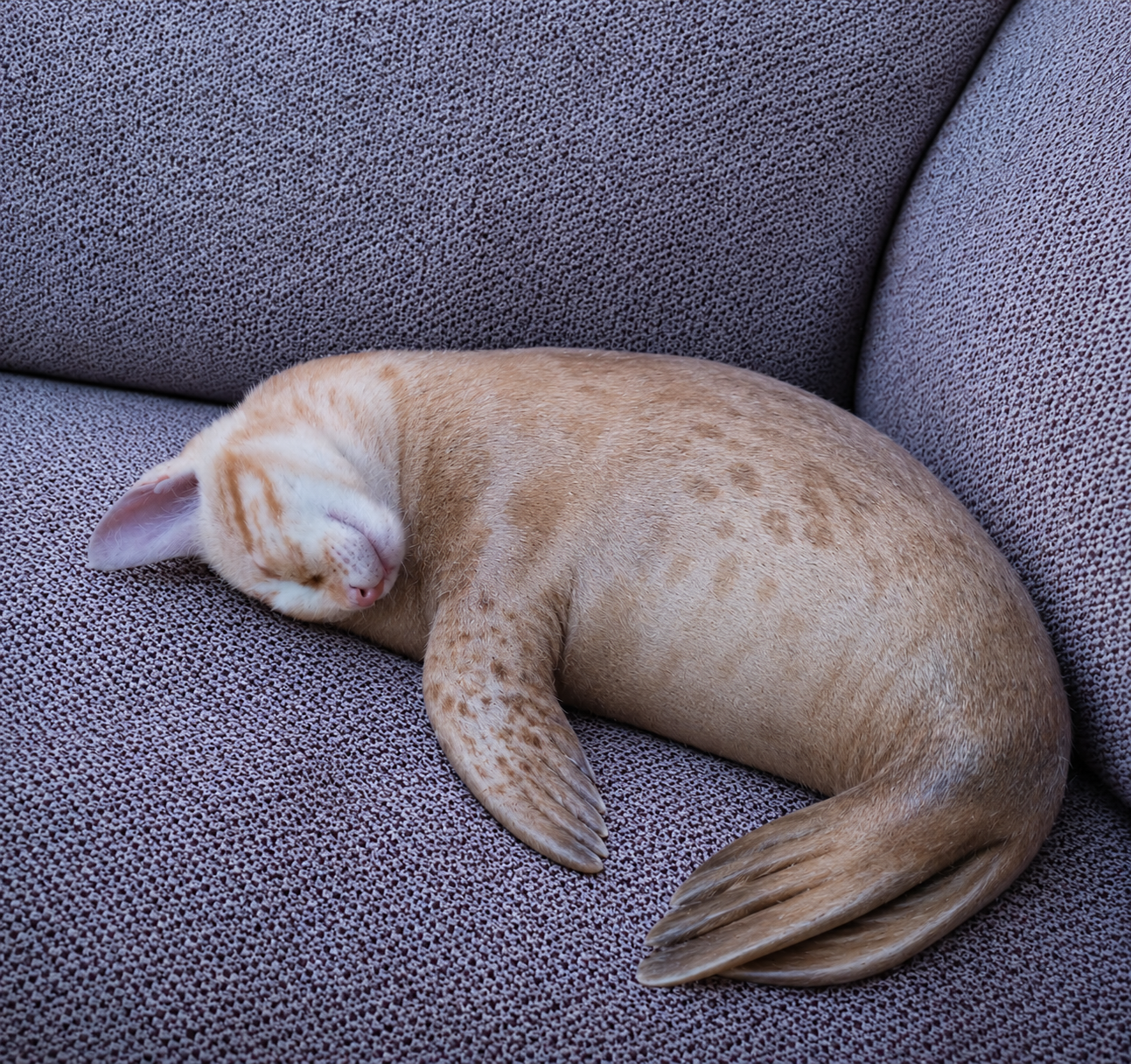
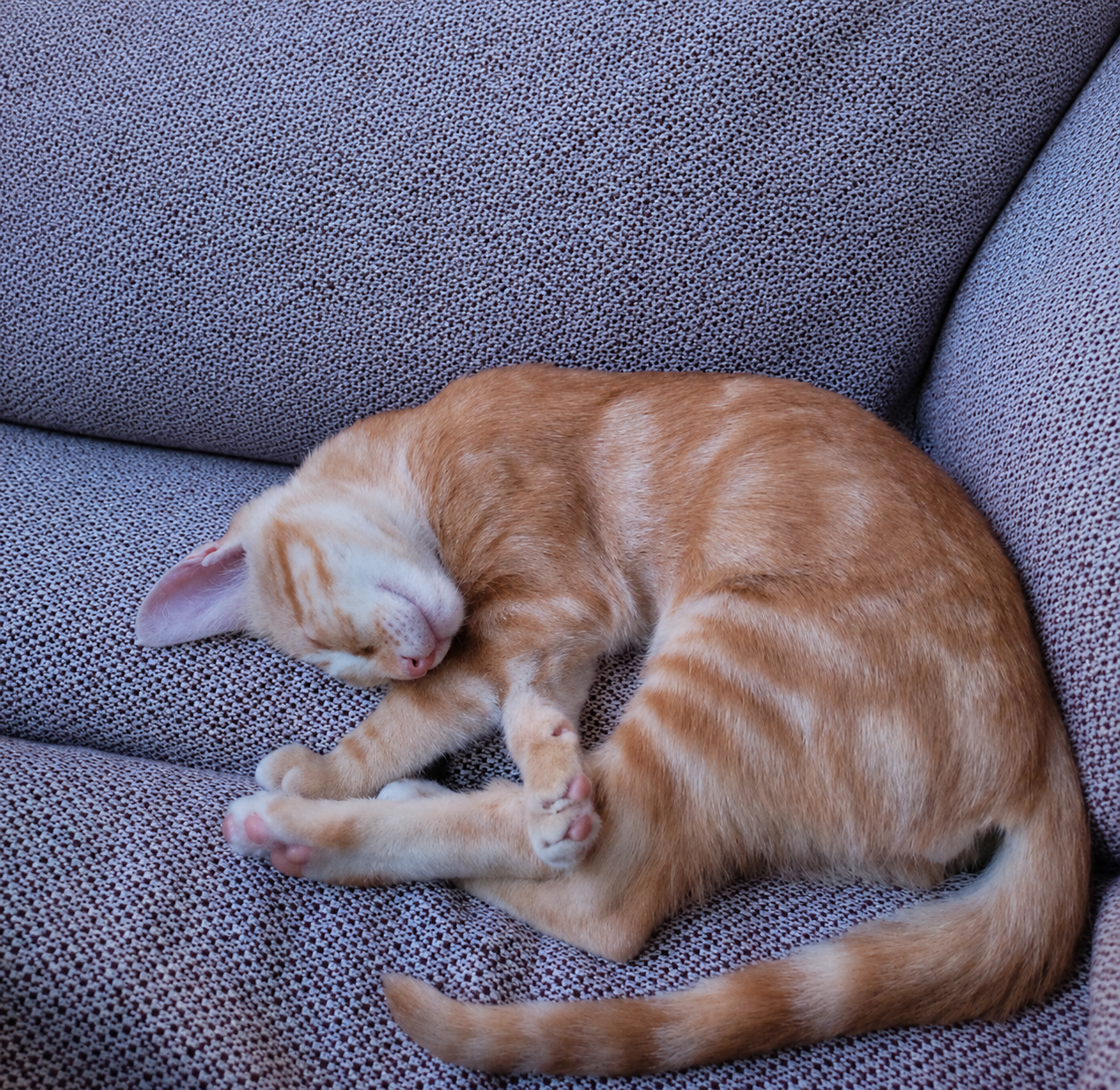
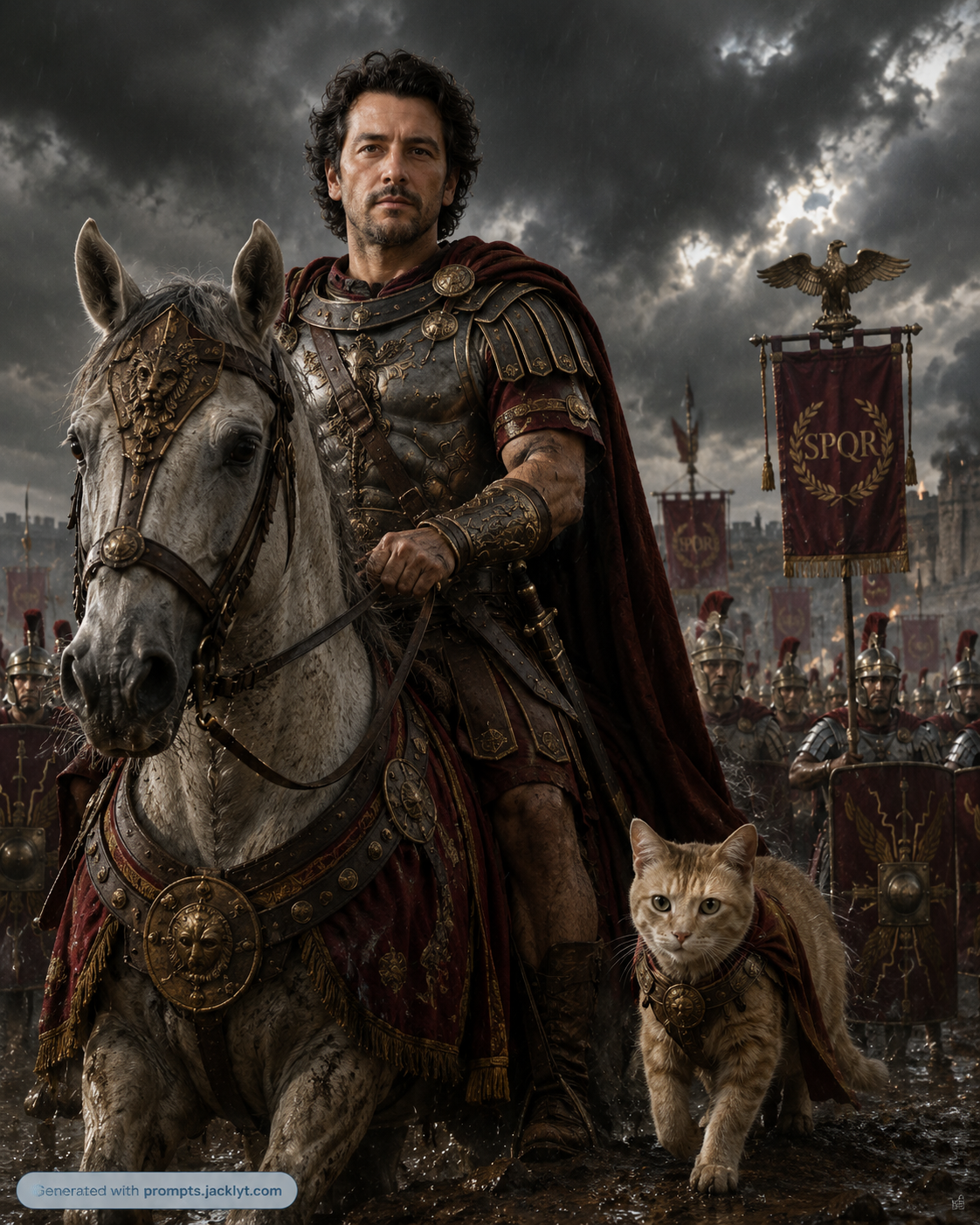
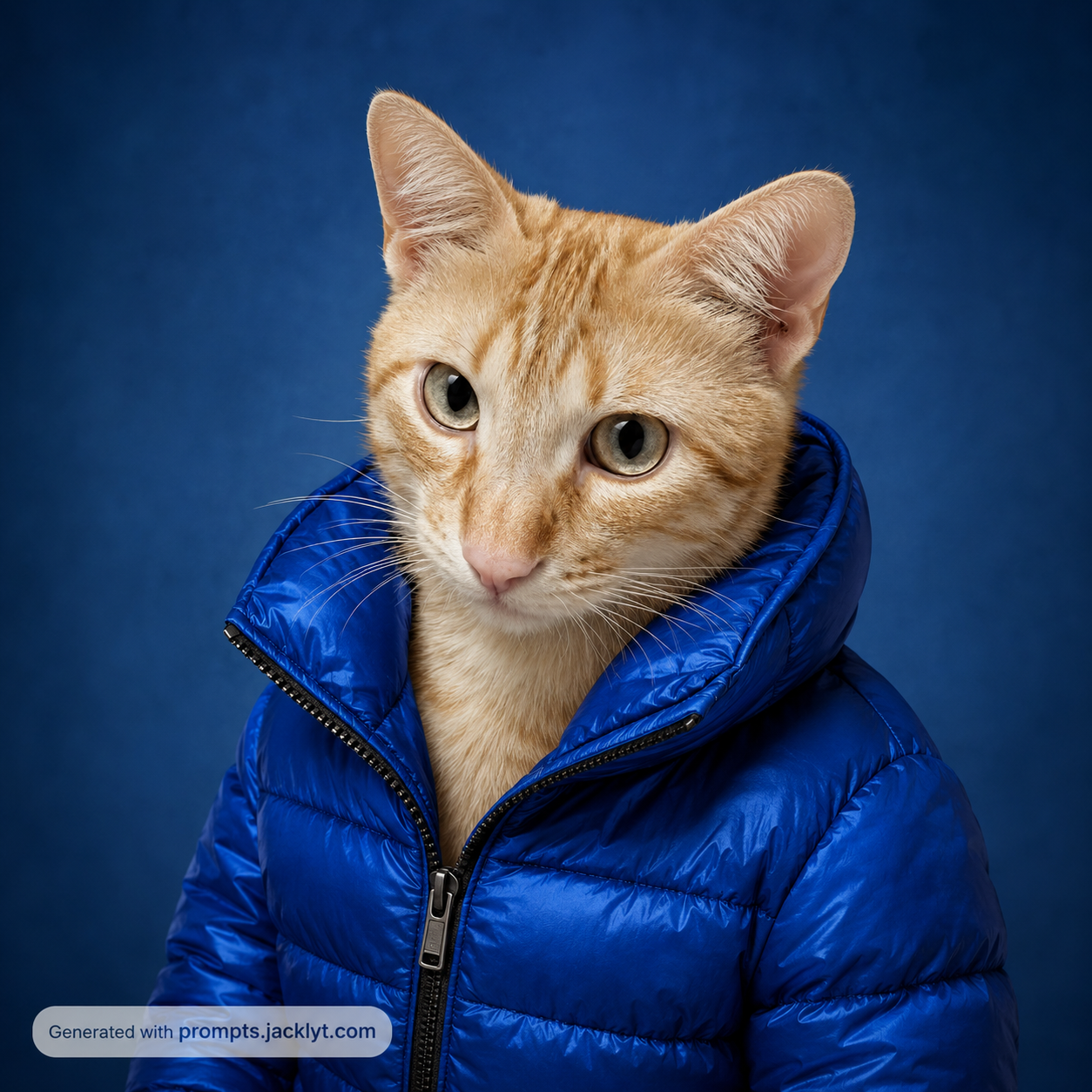
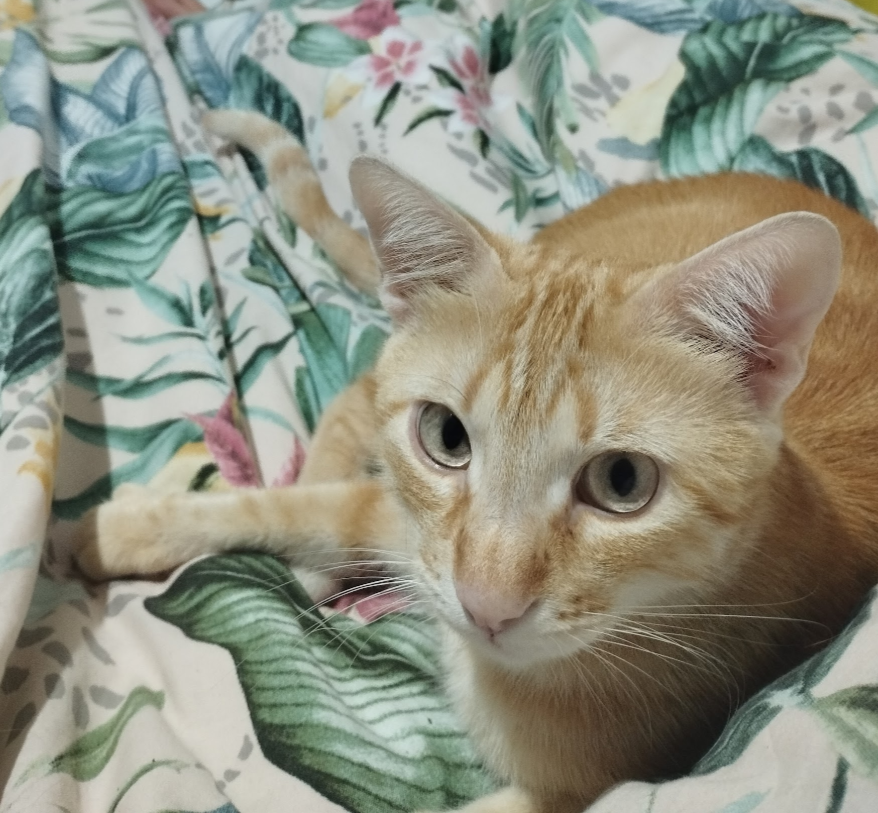
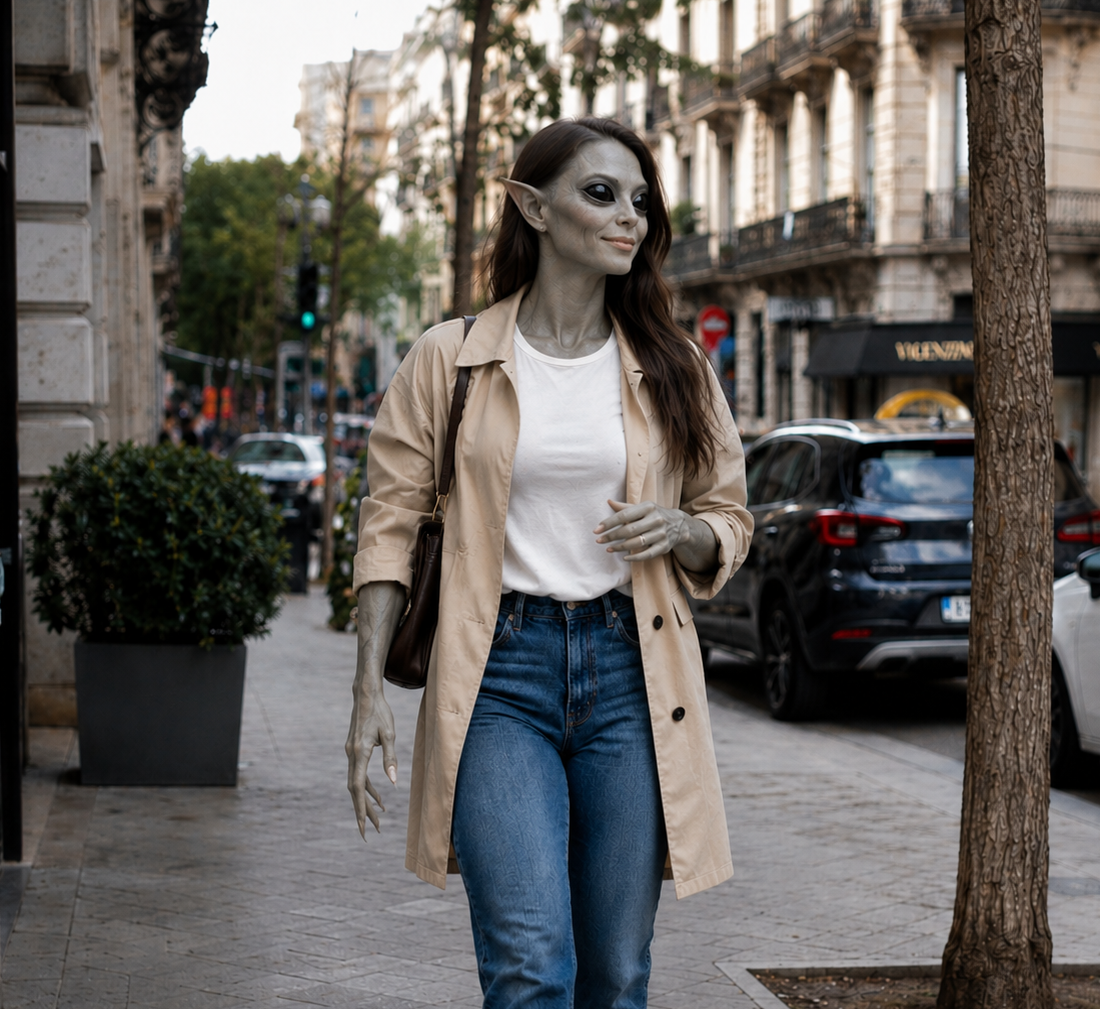
Pet Animal Hybrid is a focused AI image prompt template for users who want a polished result without manually assembling a long prompt, negative prompt, visual hierarchy rules and validation instructions. It is built for the pets, funny transformations and photorealistic animal hybrids category and is especially useful when the user already has a reference image but needs the AI tool to reinterpret it in a controlled, professional way. Instead of asking for a vague creative edit, this template defines the subject, the composition, the required reference, the style logic, the quality level and the elements that must not appear in the final image. The template works around one uploaded pet photo [image_1], an animal selection, a style field and an aspect ratio. The uploaded reference is not a loose inspiration image: it becomes the foundation of the final generation. The prompt tells the AI to preserve the important identity details from the input while changing the presentation into a realistic pet-animal hybrid where the original pet face remains recognizable while the body transforms into a seal, beaver, snake, lizard, duck or baby hippopotamus with believable anatomy and textures. This makes the result more consistent than a short prompt because the model receives clear instructions about what to keep, what to transform and how the final image should be validated. A key advantage of this prompt is its structured creative direction. The animal selector controls the body anatomy and surface material, while the style field can refine the visual direction and the aspect ratio controls framing. The template describes how the selected option should influence the image while keeping the essential subject intact. That is important for image-to-image work because many AI tools can drift away from the original reference when the prompt is too short. By including preservation rules, composition rules, lighting guidance, material or texture notes, and negative constraints, the template helps the AI focus on a specific visual target instead of improvising a generic result. The expected output is a realistic pet-animal hybrid where the original pet face remains recognizable while the body transforms into a seal, beaver, snake, lizard, duck or baby hippopotamus with believable anatomy and textures. The result should feel finished enough to use as a social media visual, concept image, prompt example, portfolio mockup, creative asset or inspiration image. It is designed to be visually clear, easy to understand at a glance and strong enough for a template preview page. This prompt is built around a funny idea but uses serious photorealistic constraints, so the hybrid should feel biologically seamless instead of monstrous, cartoonish or poorly edited. This SEO section is also useful for visitors who are not prompt engineering experts. It explains why the template asks for certain inputs, why the prompt includes strict restrictions, and why the negative prompt should remain attached when the final prompt is copied into an AI image tool. Users get better results when they understand that the template is not only describing an image, but also controlling identity preservation, composition, lighting, style, texture, and validation. For best results, the user should upload a clean reference image, choose the most appropriate option when the template includes one, keep the full prompt structure, and regenerate only after checking whether the main subject, style and composition are already close to the intended result.
How to use this prompt
- 1
Upload a pet photo with the face clearly visible. The face is the anchor of the image because the prompt preserves it while replacing much of the body anatomy.
- 2
Choose the animal body that creates the most entertaining contrast with your pet. Seal and duck options feel cute, while snake or lizard create a stranger but still realistic hybrid.
- 3
Copy the full prompt and keep the negative prompt. It prevents cartoon, monster, horror, deformed anatomy and generic mutation results.
Best use cases
Pet owners can create surreal but believable funny edits for social sharing, memes or profile variations.
Animal pages and prompt galleries can use it to demonstrate controlled hybrid transformations with identity preservation.
Creative teams can use it for playful concept art where humor depends on realism rather than cartoon exaggeration.
Tips for better results
Pick a pet image with a visible neck or upper body when possible. It helps the model blend the pet face into the selected animal anatomy.
Choose an animal body that fits the pet’s head angle. Side-facing pets may work especially well with snake or lizard bodies, while front-facing pets can suit duck or hippo options.
If the result becomes too fantasy-like, strengthen the photorealistic and wildlife photography wording rather than adding more animal options.
Common mistakes to avoid
A hidden or distorted pet face makes the hybrid lose the recognizable identity that the prompt is designed to preserve.
Removing anatomy rules can create extra limbs, malformed bodies or horror-like mutations.
Expecting a cute cartoon result can lead to wrong settings; this template is designed for realistic wildlife-style hybrids.
Final recommendation
Use Pet Animal Hybrid when you want a funny pet transformation that still looks like a believable photograph. A clear face, a well-chosen animal body and the full negative prompt help the AI preserve the original pet while creating seamless anatomy, realistic textures and a surprisingly convincing hybrid creature.